EXPANDED WEBSITE COMING SOON!
STAY TUNED...

Escaping the Debt Trap: Strategies for Financial Freedom
DEBT
3/1/2026
Introduction
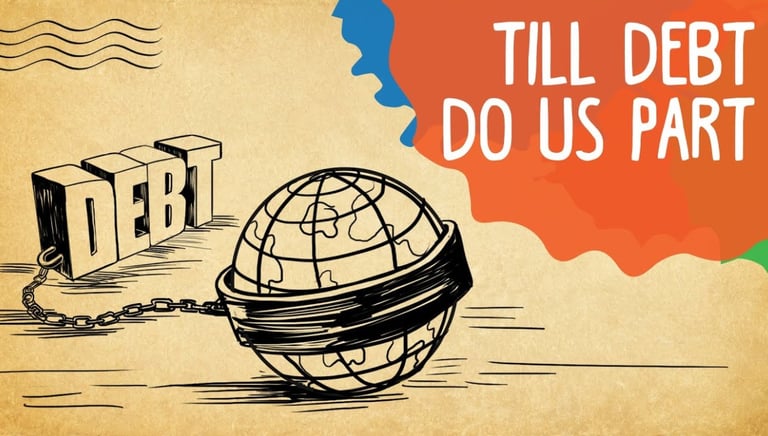
In today's fast-paced world, many people find themselves ensnared in a cycle of debt, which can be both overwhelming and challenging to escape. Understanding how to live within your means is crucial for achieving lasting financial freedom. This blog will explore effective strategies that will empower you to break free from the debt trap and regain control over your finances.
Understanding Your Financial Situation
The first step in escaping debt is to have a clear understanding of your financial situation. Begin by tracking your income and expenses diligently. This will help you identify areas where you can cut back and can spotlight unnecessary expenditures that contribute to your debt. Creating a budget is vital; it provides a roadmap that helps you prioritize essential expenses and allocate funds wisely.
Creating a Realistic Budget
A realistic budget is foundational to living within your means. Consider using the 50/30/20 rule as a guideline: allocate 50% of your income for necessities (like housing and groceries), 30% for discretionary spending (entertainment, dining out), and 20% for savings and debt repayment. By adhering to this framework, you can make informed decisions that lead to financial stability while minimizing reliance on credit cards and loans. Remember, the goal is to ensure that your spending aligns with your financial objectives and does not lead to accruing more debt.
Building an Emergency Fund
An emergency fund is essential for providing a financial cushion that can absorb unexpected expenses without forcing you to resort to debt. Aim to save at least three to six months’ worth of living expenses in a high-yield savings account. This practice not only protects you from debt during emergencies but also promotes a mindset geared toward financial independence. Regular contributions, no matter how small, can lead to significant savings over time.
Smart Spending and Long-term Goals
To effectively escape the debt trap, it's important to adopt habits that promote smart spending. This includes distinguishing between needs and wants and resisting the urge to make impulsive purchases. When you save for larger, planned expenses instead of charging them on credit, you will find yourself less likely to incur debt. Additionally, establish long-term financial goals, such as homeownership or retirement planning. These goals will motivate you to stick to your budget and continue on the path to financial freedom.
Conclusion
Escaping the debt trap is an attainable goal for anyone willing to make conscious financial choices. By understanding your financial situation, creating a realistic budget, building an emergency fund, and practicing smart spending habits, you can foster an environment that nurtures financial freedom. Remember, lasting change takes time, and with consistent effort, you can enjoy a debt-free life and the peace of mind that comes with it.
© 2026 Beacon Personal Finance. All rights reserved.